Nobody: “Arjen, you need to add more visuals.”
Me: “Okay”
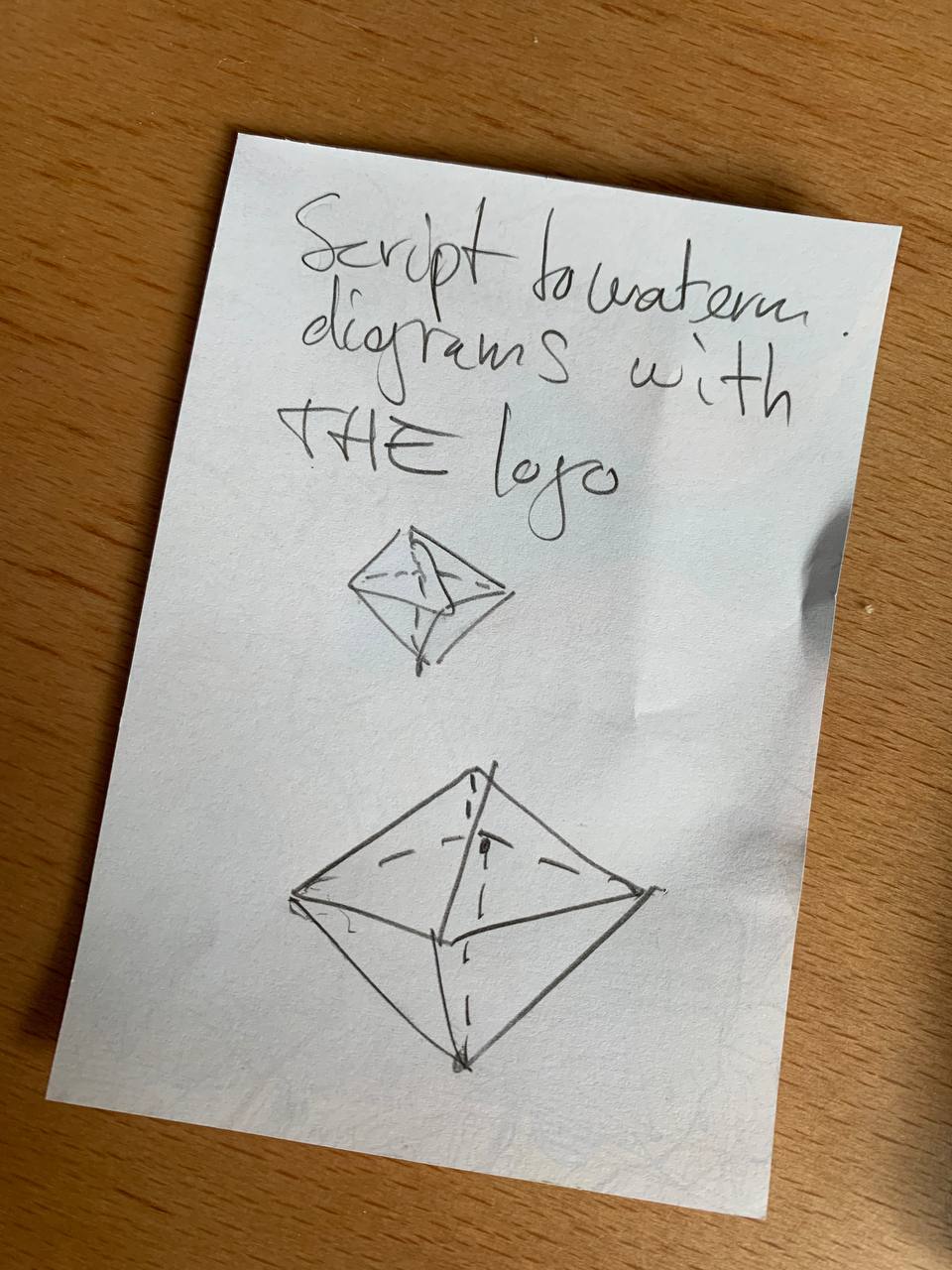 how it started
I deployed v0.1 of my Environmental Supply Chain Risk Radar, a quarterly decision radar for navigating environmental risk in global supply chains.
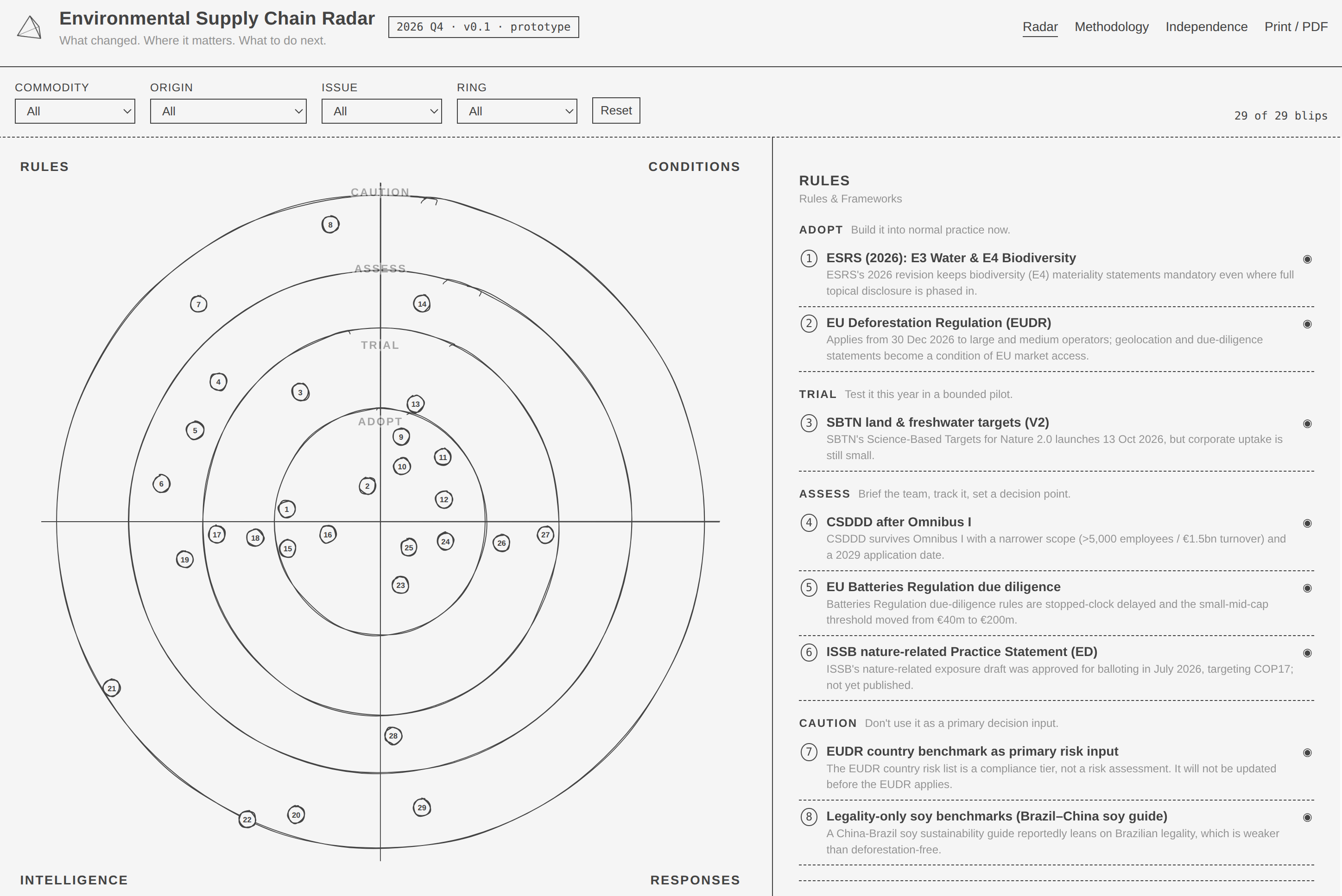 best on a laptop but works on mobile as well
Imagine you’re an understaffed sustainability manager with a limited budget at a large corporation. You need to keep an overview of everything “sustainable” for multiple global commodity supply chains, multiple environmental risks, upcoming rules and regulations, latest industry best practices and responses and a plethora of intelligence providers. That was impossible. Until now.
The radar gives a very quick overview and advices you what to do (ADOPT, TRIAL, ASSESS, CAUTION). You can filter on commodity, region or risk; selecting a blip gives a concise overview of the risk, what to do, related commodities, event history, evidence level, sources and related blips.
Example 1:
- ADOPT EUDR;
- But CAUTION using GFW PRO because it will discontinued at the end of this year;
- So ASESS its successor Global Nature Watch or look for other providers.
Example 2: before building this, I never heard about EU Batteries Regulation due diligence which is relevant for lithium and copper supply chains. This is either a nice opportunity to scale for ESG risk data suppliers in soft commodity supply chains or an AI hallucination.
Apart from sustainability managers, the tool is useful for ESG consultants, ESG risk data suppliers, investors and financial institutions. It’s simple but versatile. You go from high level overview to detailed advice in 1 click. And you earn klout (remember klout?) because you found it first.
It was and is really fun to build and test and learn my AI workflow setup. And apart from the tech fun, you learn so many things along the way. For example, the current regions dropdown doesn’t make sense, nobody is going to scroll 100+ item list. A map would be better indicating red and green and yellow regions. But then we have 2 entry points (the radar and the map) or 1 entry point and a drill down screen costing an extra click. And there’s a geospatial aspect to the supply side (sourcing area) but also to the demand or import side (regulating government body). Importing oil palm from Colombia has different risks for the EU or the US.
And this is only v0.1 with unverified dummy data. The future has finally arrived. For v0.2 I am adding history. Because what is a future without a history?
I am curious on how you would use it. Let me know if you have feedback, for example on the methodology or feature ideas or want to discuss how it works. Send me an email at arjen@thishollow.earth or schedule a meeting.
I also deployed a questionnaire that will be part of BERT, a diagnostic tool to assess the state of your organisation. And advisory on what to do to get richer faster (the easy part: automate everything and everybody; the tricky part: what and how to automate without loosing clients). It complements my essay on the tension between consultancy and Saas within organisations.
Benches is where life happens. So I sit on benches and think about life. Sometimes with a friend.
My friend told me to write about regret decisions. How decisions lead to outcomes. And how these outcomes match expectations. Or not. And how decision making is not about making the right decision but about accepting all possible outcomes before making the decision.
I decided to write about decisions.
 bench
bench
We should listen to Jaron Lanier.
Jaron calmly explains how the industry is now essentially a religion focused on building a machine god instead of tools for humans.
Tell your children not to walk my way
 Wye Oak covers Danzig’s “Mother”
An evening stroll
I was walking my dog the other day when we ran into the teacup poodle
I refuse to say anything to a ridiculous creature like a teacup poodle
We walked on
With hope
In our hearts
Everybody: “AI will kill us all!”
Me, testing the Excalidraw MCP connector in Hermes: “Make a copy of this sketch:”
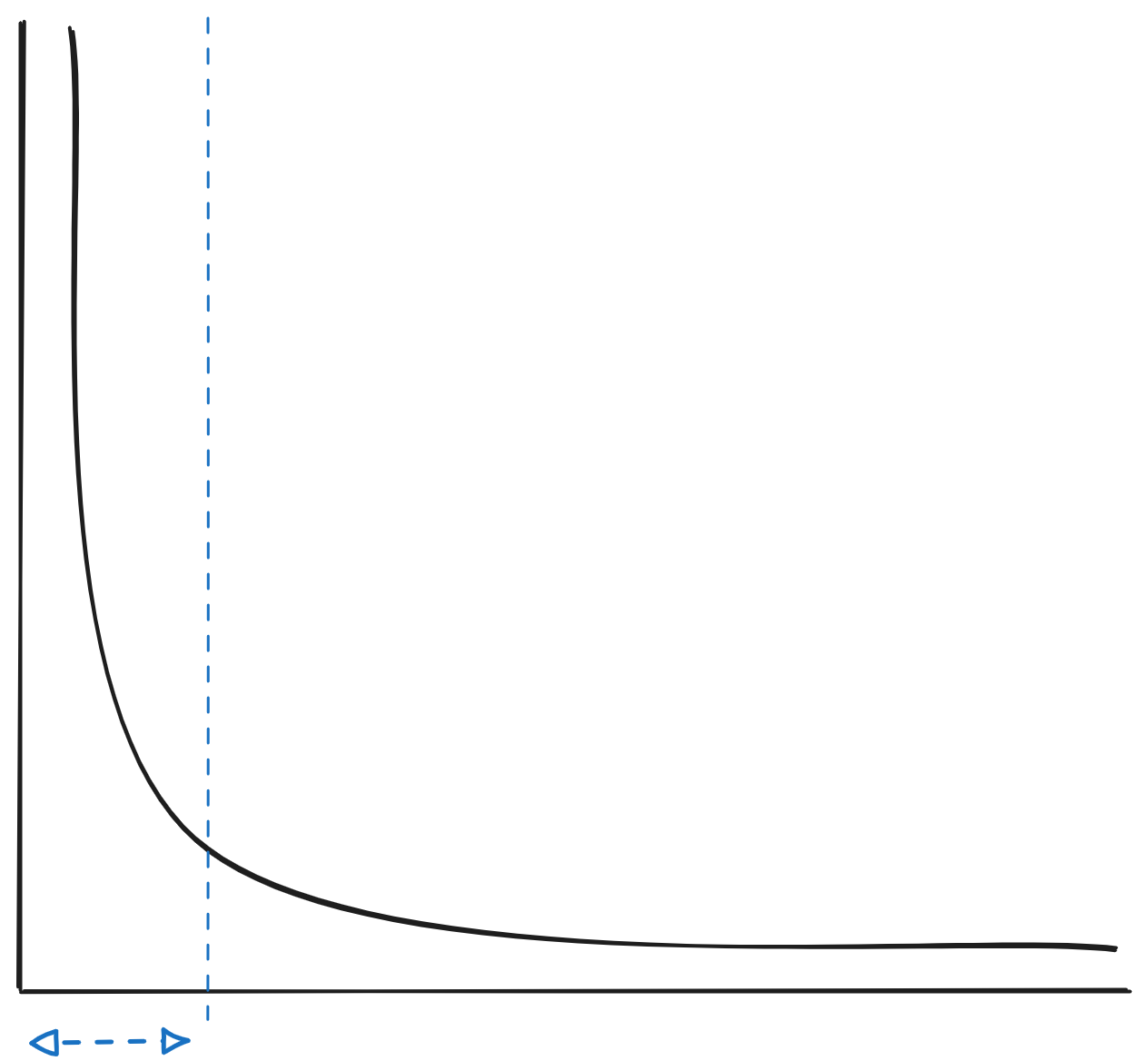 the big head and the long tail
AI:
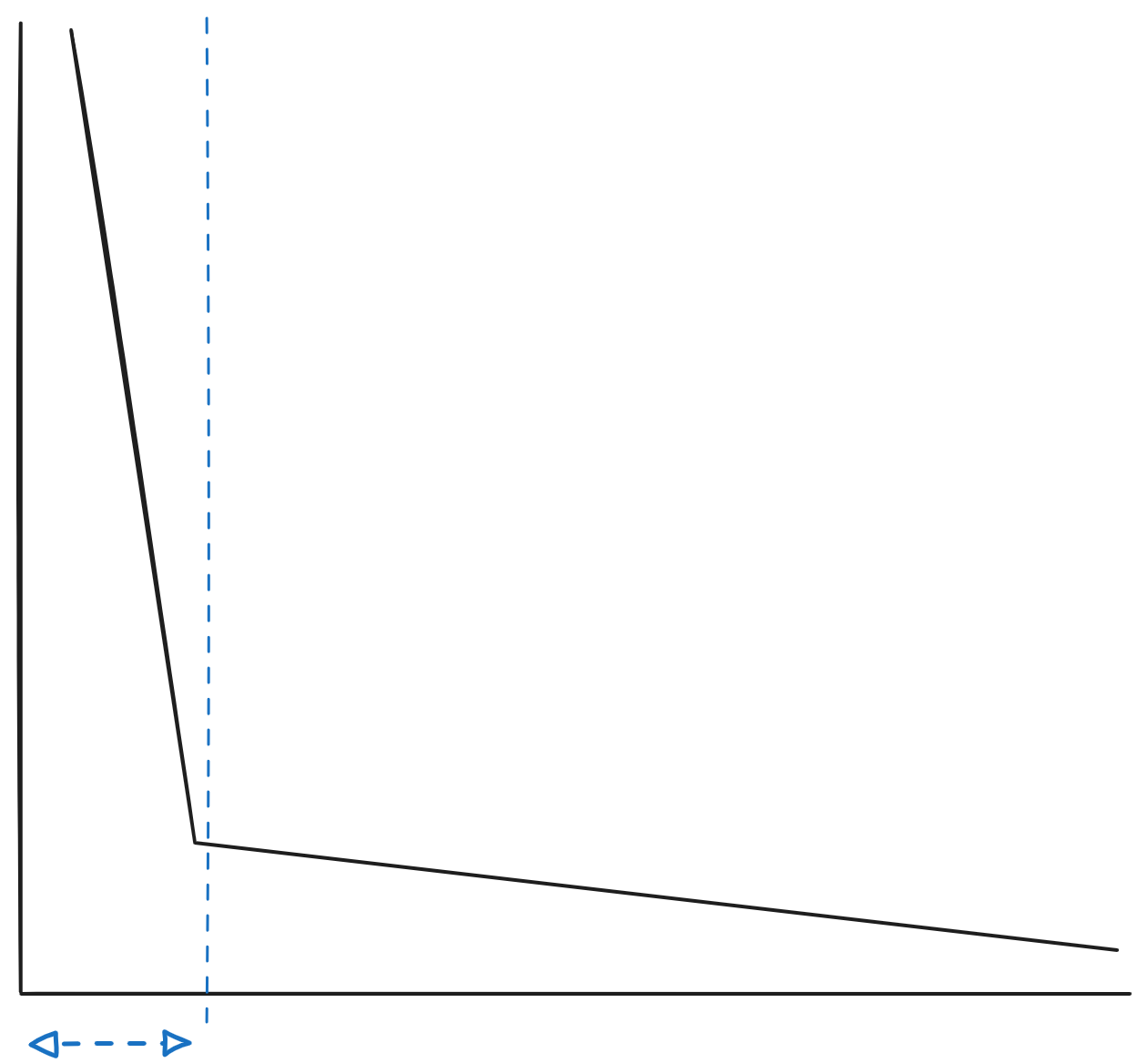 the what?
My kids are selling lottery tickets to collect money for their sports clubs.
When I hear “lottery”, I always think about Mugabe winning the lottery organised by a state-owned bank.
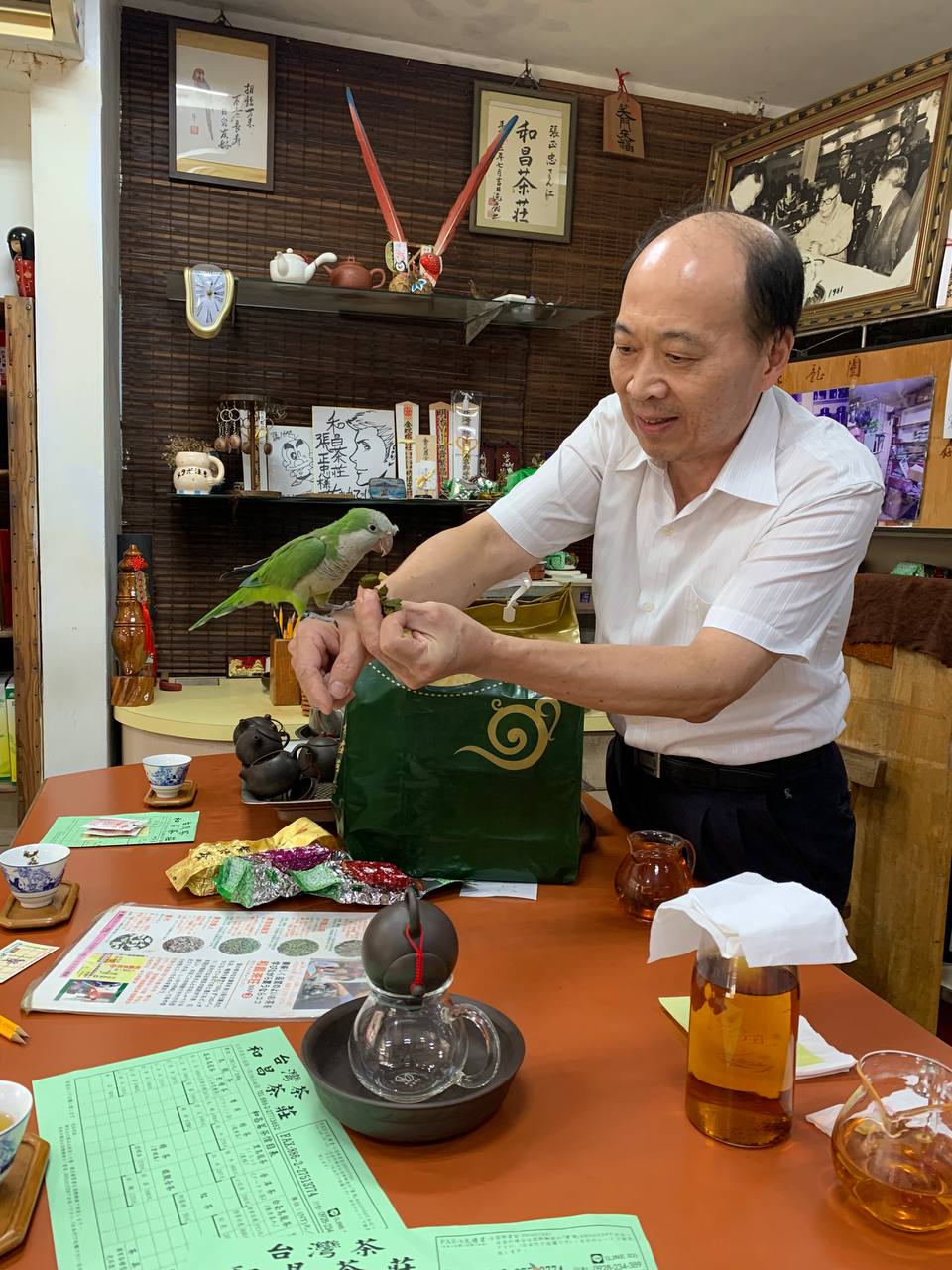 Me entering a teashop to buy tea ending up being lectured on how to train parrots